






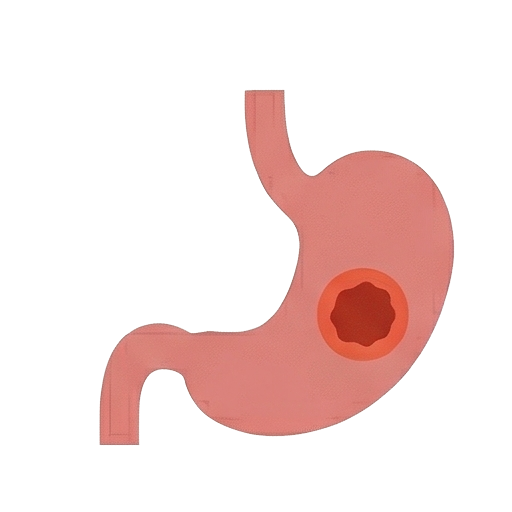
Stomach Cancer (Gastric Cancer) is a common malignancy in Hong Kong and ranks among the top ten most deadly cancers in the region. The stomach is a vital organ in the digestive system, responsible for secreting acid and breaking down food. Cancer develops when cells in the inner lining (mucosa) of the stomach undergo genetic mutations and grow out of control. The vast majority of stomach cancers are adenocarcinomas.
The incidence of stomach cancer in Asia (such as Hong Kong, Japan, and Korea) is significantly higher than in Western countries. It is often considered a “silent killer” because early-stage symptoms mimic ordinary indigestion or mild stomachaches. Patients frequently self-medicate with over-the-counter antacids, leading to delayed diagnoses. However, if detected very early via endoscopy, the cancer can sometimes be completely removed without invasive surgery, yielding extremely high cure rates.
1. Causes and Major Risk Factors
Medical research confirms that stomach cancer is closely linked to chronic inflammation and dietary habits:
- Helicobacter pylori (H. pylori) Infection: This is the most significant risk factor. Classified as a Class 1 carcinogen by the WHO, chronic H. pylori infection causes prolonged inflammation (gastritis), ulcers, and ultimately, malignant changes.
- High-Salt and Preserved Diet: Diets high in salt, smoked, pickled, or heavily processed foods (e.g., salted fish, preserved meats) contain nitrates/nitrites, which convert into potent carcinogens in the stomach.
- Smoking and Alcohol: Tobacco and excessive alcohol consumption damage the stomach lining and drastically elevate cancer risk.
- Pre-existing Stomach Conditions: Individuals with a history of chronic atrophic gastritis, stomach polyps, or previous partial stomach surgery face higher risks.
- Age and Gender: It predominantly affects individuals over 50, and men are twice as likely to develop the disease as women.
- Family History and Genetics: Having first-degree relatives with stomach cancer increases the risk. A very small percentage is linked to an inherited genetic mutation (Hereditary Diffuse Gastric Cancer).
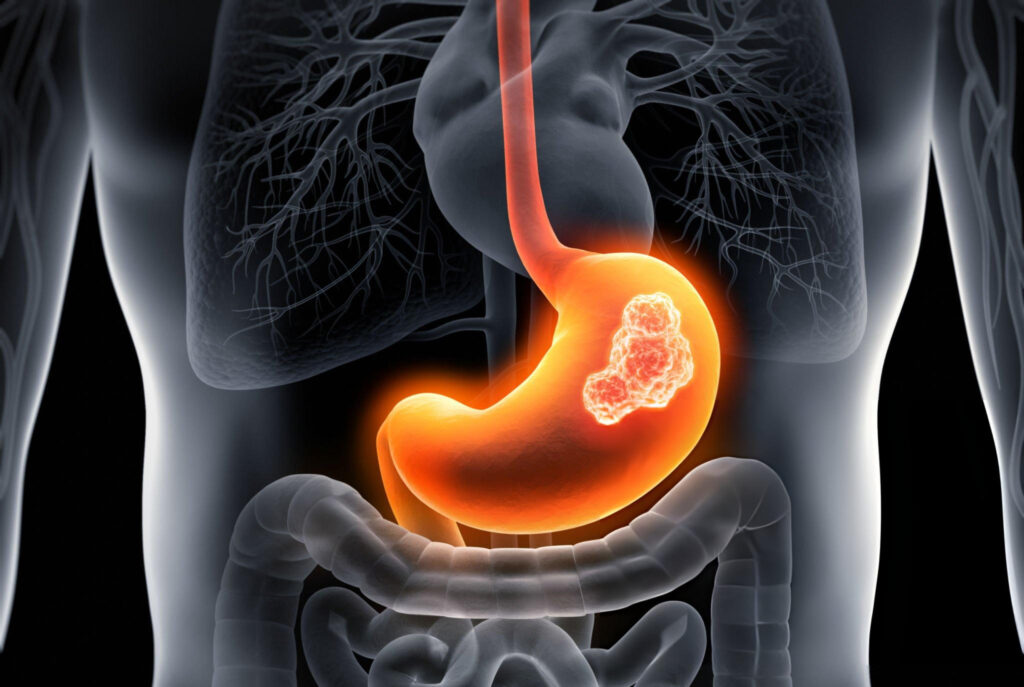
2. Early and Advanced Warning Symptoms
Do not ignore persistent stomach discomfort. Please be alert to the following warning signs:
- Persistent Indigestion: Frequent bloating, acid reflux, burping, or a gnawing ache in the stomach.
- Early Satiety: Feeling completely full after eating only a small amount of food (due to the tumor taking up space or the stomach losing its elasticity).
- Upper Abdominal Pain: Continuous pain in the upper abdomen (epigastric area), often worsening after meals.
- Dysphagia (Difficulty Swallowing): If the tumor forms at the junction of the esophagus and the stomach, it can block the passage of food.
- Black Stools or Vomiting Blood: A bleeding tumor can cause stools to turn black and tarry (melena) as the blood is digested. Severe bleeding may lead to vomiting fresh blood or material that looks like coffee grounds.
- Advanced Symptoms: Unexplained anemia (causing persistent fatigue), sudden weight loss, or a palpable hard lump in the abdomen.
3. Professional Screening and Diagnosis
To accurately diagnose stomach cancer, specialists will arrange precise investigations:
- Gastroscopy (OGD): The gold standard for diagnosis. A thin, flexible tube with a camera is inserted through the mouth to directly examine the stomach lining. Suspicious areas are immediately biopsied for pathology, and H. pylori tests can be performed concurrently.
- Endoscopic Ultrasound (EUS): Combines endoscopy with ultrasound to precisely determine how deeply the tumor has invaded the stomach wall and whether nearby lymph nodes are affected, which is vital for early staging.
- Imaging Scans (CT / PET-CT): Scans of the chest, abdomen, and pelvis to determine if the cancer has spread (metastasized) to the liver, lungs, or other parts of the abdomen.
- Blood Tests (Tumor Markers): Testing for markers like CEA and CA19-9, which assist in diagnosis and monitoring the response to treatment.
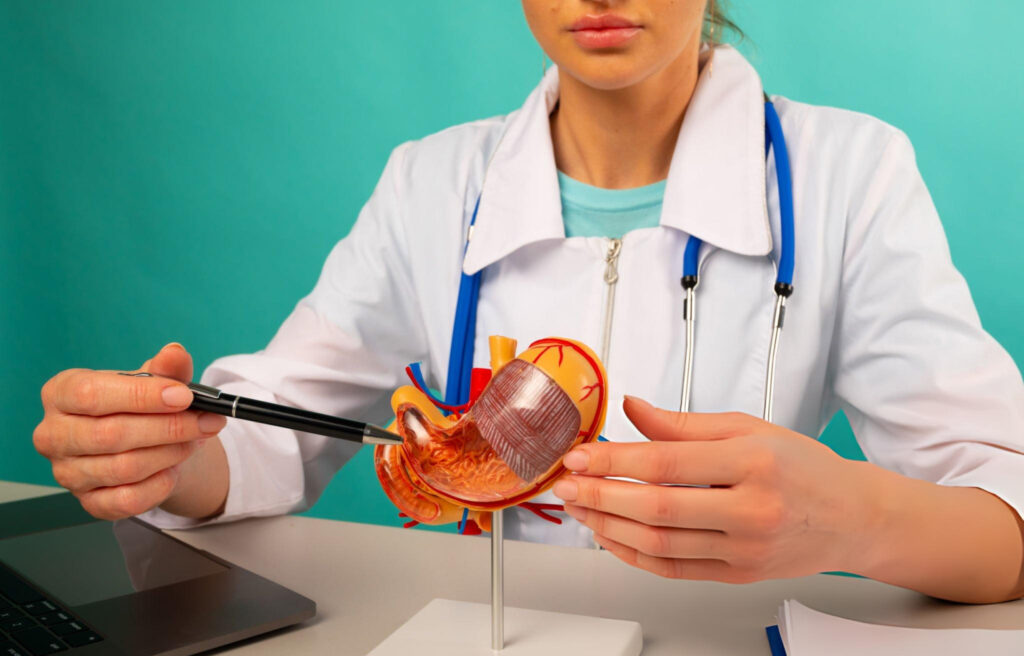
4. Comprehensive Multidisciplinary Treatment
Treatment requires a multidisciplinary approach. Depending on the stage (I to IV), location, and the patient’s health, options include:
1. Surgery
– Endoscopic Submucosal Dissection (ESD): For very early-stage superficial tumors, doctors can “peel” the tumor off from the inside using an endoscope, entirely preserving the stomach without external incisions.
– Subtotal or Total Gastrectomy: For deeper or mid-stage cancers, surgery (laparoscopic or open) is required to remove part or all of the stomach and nearby lymph nodes. If the entire stomach is removed, the esophagus is directly connected to the small intestine.
2. Chemotherapy
– Perioperative Chemotherapy: The international standard for operable localized cancers. Chemotherapy is given before surgery to shrink the tumor and after surgery to destroy any microscopic residual cells.
– Palliative Chemotherapy: Used to manage Stage IV metastatic disease, shrink tumors, relieve symptoms, and extend survival.
3. Targeted Therapy
For patients with advanced gastric cancer, doctors will perform biomarker testing on the tumor to formulate a precision treatment plan:
- HER2 Targeted Therapy: Approximately 15-20% of patients are HER2 receptor-positive. They can receive anti-HER2 targeted drugs (such as Trastuzumab) in combination with chemotherapy to substantially improve treatment outcomes.
- Claudin 18.2 Targeted Therapy: For advanced gastric cancer patients who are HER2-negative but show high expression of the Claudin 18.2 (CLDN18.2) protein, novel targeted therapies (such as Zolbetuximab) can now be used in combination with chemotherapy. This treatment precisely attacks cancer cells and significantly prolongs survival.
4. Immunotherapy
Immunotherapy (PD-1 inhibitors) has brought a major breakthrough. Doctors test the tumor for PD-L1 expression. If positive, combining immunotherapy with chemotherapy is now the “first-line standard” for many advanced patients. It effectively activates the body’s immune system to fight the cancer, sometimes achieving long-term control.
5. Prevention and Post-Treatment Care
- Eradicate H. pylori: A simple urea breath test can detect the bacteria. If found, a short course of antibiotics can eradicate it, significantly lowering future cancer risks.
- Dietary Modifications: Consume more fresh fruits and vegetables (rich in Vitamin C) and cut down on high-salt, smoked, and pickled foods.
- Post-Surgical Diet: Patients who have had stomach surgery must eat small, frequent meals, chew food thoroughly, and often require B12 and iron supplements to prevent anemia as directed by dietitians.