





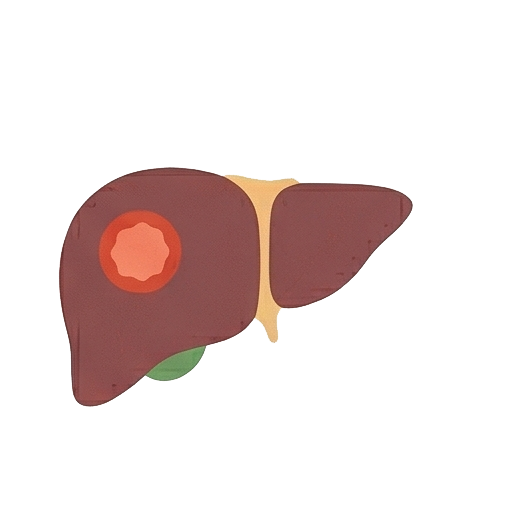
Liver Cancer is one of the most common and deadliest cancers in Hong Kong, currently ranking as the third leading cause of cancer deaths. Primary liver cancer starts in the cells of the liver, with Hepatocellular Carcinoma (HCC) being by far the most common type. The liver is the body’s largest internal organ, responsible for filtering toxins, producing bile for digestion, and storing nutrients. When liver function is compromised by cancer, it poses a severe threat to life.
Liver cancer is notoriously known as a “silent killer.” Because the liver lacks pain receptors internally and possesses a massive functional reserve (it can function even if a large portion is damaged), early-stage liver cancer usually presents no symptoms. By the time noticeable symptoms appear, the cancer is often in an advanced stage. However, with modern advancements in diagnostic imaging and breakthrough combination therapies, survival rates and quality of life for patients have improved significantly.
1. Causes and Major Risk Factors
The risk profile for liver cancer in Asia differs from the West. The following factors heavily increase the risk:
- Hepatitis B Infection: This is the primary culprit for liver cancer in Hong Kong. Chronic Hepatitis B carriers have a 100 times higher risk of developing liver cancer than healthy individuals. Continuous viral inflammation leads to scarring (cirrhosis) and eventually cancer.
- Hepatitis C Infection: Another viral infection that causes chronic liver inflammation, cirrhosis, and elevates cancer risk.
- Cirrhosis: Regardless of the underlying cause, extensive scarring and hardening of the liver tissue dramatically increase the likelihood of malignant transformation.
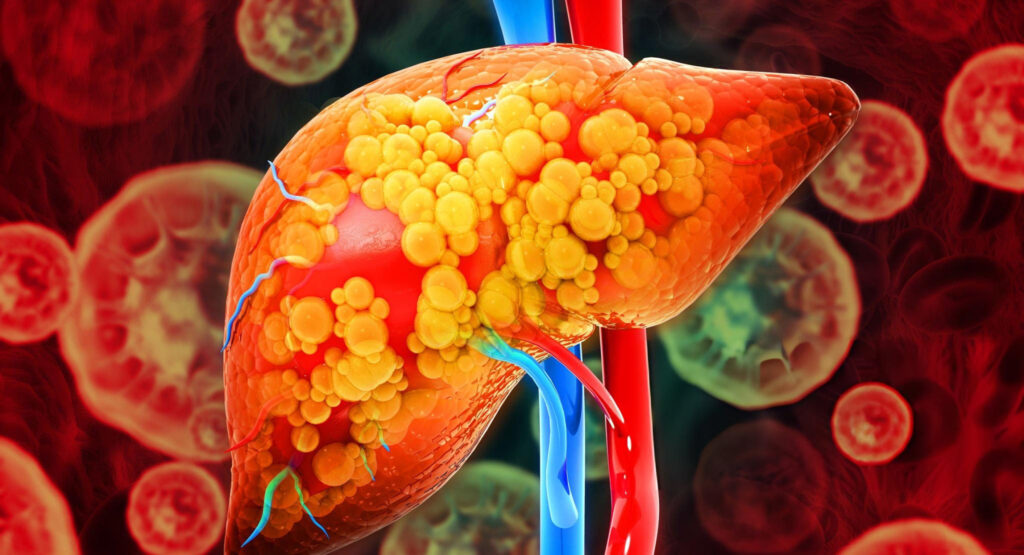
- Fatty Liver Disease (NAFLD/NASH): With rising obesity and diabetes rates, Non-Alcoholic Fatty Liver Disease is rapidly becoming a new major threat, capable of progressing to cirrhosis and cancer even in non-drinkers.
- Heavy Alcohol Consumption: Long-term alcohol abuse leads to alcoholic hepatitis and cirrhosis.
- Aflatoxins: Toxins produced by molds that grow on improperly stored crops, such as peanuts and grains, which are highly carcinogenic to the liver.
2. Early and Advanced Warning Symptoms
As a silent disease, early stages show no signs. As the tumor grows, stretches the liver capsule, or blocks bile ducts, patients may experience:
- Right Upper Quadrant Discomfort: A dull ache, swelling, or a palpable hard mass just below the right rib cage.
- Referred Right Shoulder Pain: The enlarged liver may press against the diaphragm, irritating nerves that refer pain to the right shoulder.
- Jaundice: Yellowing of the skin and the whites of the eyes, often accompanied by dark (tea-colored) urine and pale, clay-colored stools due to bile duct obstruction.
- Ascites: An abnormal buildup of fluid in the abdomen, causing a swollen and tight belly.
- Systemic Signs: Extreme fatigue, loss of appetite, nausea, and unexplained rapid weight loss.
3. Professional Screening and Diagnosis
Routine screening is critical for high-risk groups. When liver cancer is suspected, doctors utilize:
- AFP Blood Test: Measures Alpha-fetoprotein, a tumor marker that is often abnormally elevated in HCC patients.
- Liver Ultrasound: A radiation-free, non-invasive first-line scan to detect liver masses and assess cirrhosis.
- Triphasic CT Scan or MRI: The core diagnostic tools. Using intravenous contrast, these highly detailed scans visualize the unique blood supply patterns of the tumor, reliably differentiating liver cancer from benign lesions.
- Biopsy: Unlike other cancers, a biopsy is often not required if the CT/MRI imaging is conclusive and AFP is high. Avoiding biopsy prevents the risk of cancer cells “seeding” or spreading along the needle track.
4. Comprehensive Multidisciplinary Treatment
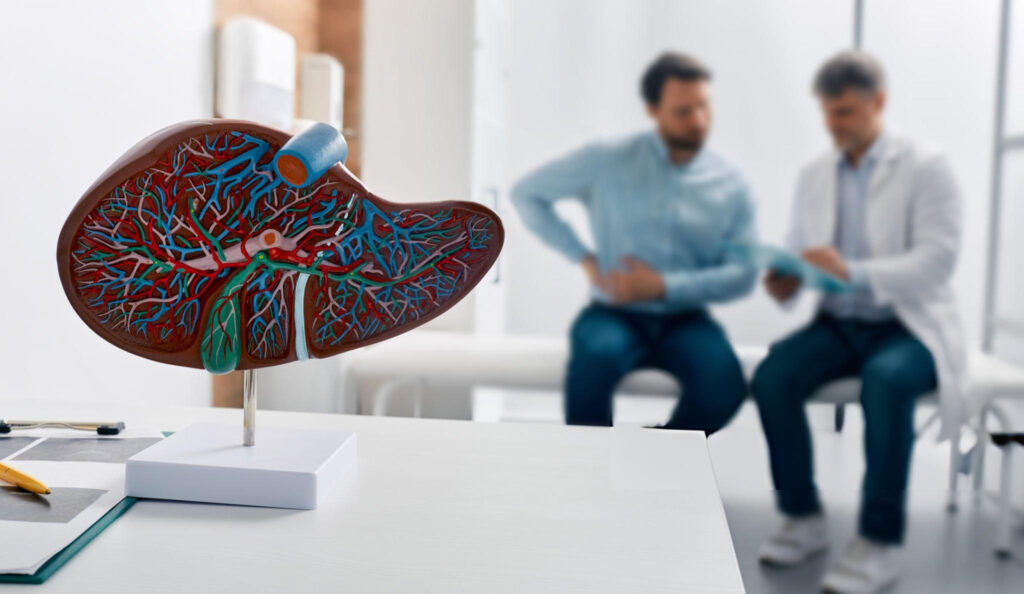
Treatment strategy depends entirely on tumor size, number, vascular invasion, and the patient’s underlying liver function (severity of cirrhosis).
1. Surgery (Curative Intent)
– Hepatectomy (Surgical Resection): Removing the tumor along with a margin of healthy tissue. Only suitable if the liver function is good and the remaining liver volume is sufficient to sustain life.
– Liver Transplantation: Suitable for small tumors in patients with severe cirrhosis. It removes both the cancer and the diseased liver, offering the highest cure rate, though limited by organ donor availability.
2. Local Ablation Therapy
Such as Radiofrequency Ablation (RFA) or Microwave Ablation (MWA). Under imaging guidance, a probe is inserted into the tumor to “burn” and destroy the cancer cells with intense heat. Best for small tumors (usually under 3cm) in patients unfit for surgery.
3. Transarterial Therapies (For Intermediate Stage)
– TACE (Transarterial Chemoembolization): Because liver tumors draw blood from the hepatic artery, doctors inject chemotherapy directly into the tumor’s blood supply and then block the artery, starving the tumor of oxygen and delivering concentrated drugs. Recent clinical studies have shown that TACE (Transarterial Chemoembolization) can be combined with anti-angiogenic targeted therapies and immunotherapy to enhance overall treatment outcomes.
– SIRT (Selective Internal Radiation Therapy / Y-90): A breakthrough technique where microscopic beads loaded with radioactive Yttrium-90 are injected into the tumor’s blood supply. They deliver a massive dose of internal radiation directly to the cancer while sparing healthy liver tissue.
4. Targeted and Immunotherapy (For Advanced Stage)
Traditional systemic chemotherapy is largely ineffective for HCC. Standard treatment now utilizes oral Targeted Therapies (e.g., Sorafenib, Lenvatinib) to block tumor blood vessel growth. More recently, combining Immunotherapy with Targeted Therapy (e.g., Atezolizumab + Bevacizumab) has become the new first-line standard for advanced cases, significantly improving survival and quality of life.
5. Prevention and High-Risk Surveillance
- Hepatitis B Vaccination: The most effective way to prevent liver cancer from an early age.
- Rigorous Surveillance: Hepatitis B/C carriers and patients with cirrhosis MUST undergo a liver ultrasound and AFP blood test every 6 months(in recent years, a new and more sensitive tumor marker for liver cancer—PIVKA-II—has been identified.). Early detection saves lives.
- Healthy Lifestyle: Limit alcohol intake, maintain a healthy weight to prevent fatty liver, and avoid eating potentially moldy grains or nuts.