






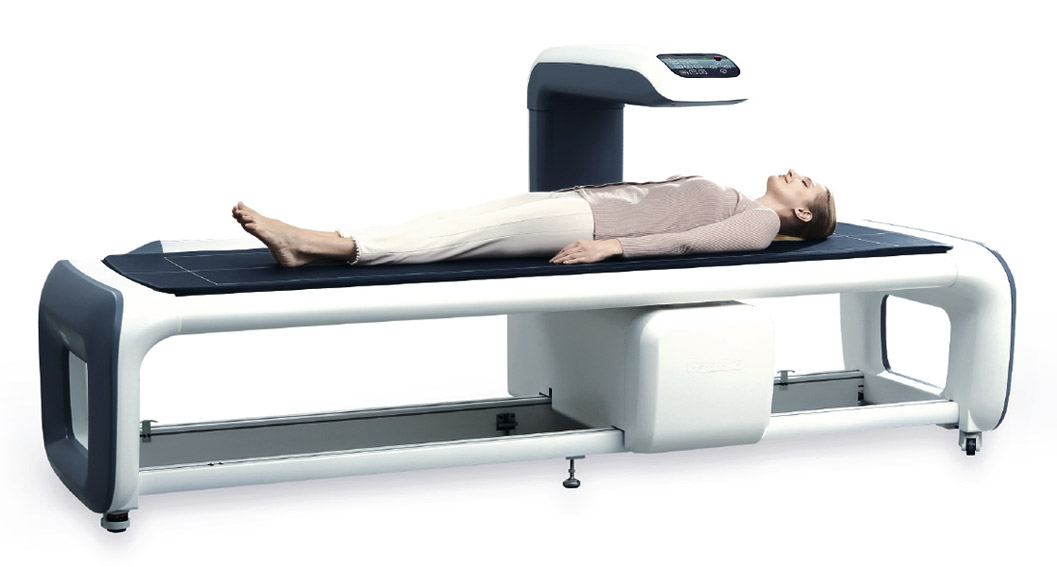
What is a X-Ray?
An X-ray is a highly penetrating electromagnetic wave. It can pass through various tissues in the body to produce images that are recorded on a digital detector. Because bones are dense, they absorb more X-rays and appear white on the image. Air-filled tissues like the lungs appear black, while muscles and fat show up in different shades of gray.
This is the most fundamental, common, and rapid medical imaging test, providing doctors with crucial preliminary diagnostic clues. Modern digital X-ray technology is highly advanced and utilizes an extremely low dose of radiation. For example, the radiation dose received from a routine chest X-ray is roughly equivalent to the natural cosmic radiation you would absorb during a flight from Hong Kong to Japan, making it a highly safe routine procedure.
Important Pre-examination Precautions:
- Metal Restrictions: X-rays cannot pass through metal. Before the scan, you must remove all metal objects near the area being examined. This includes necklaces, watches, earrings, hairpins, underwire bras, and clothing with metal zippers or buttons, as metal will appear as bright white shadows on the image and obscure the diagnosis.
- Pregnancy Warning: If you are pregnant or suspect you might be pregnant, you MUST inform our radiographer or your referring doctor before the examination. X-ray radiation can pose risks to a developing fetus.
- General Preparation: The vast majority of routine X-rays do not require fasting or any special preparation. You may eat, drink, and take your regular medications as usual prior to the test.