






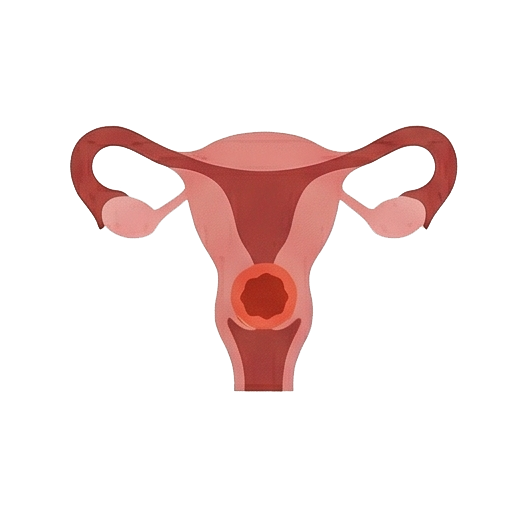
Cervical Cancer is one of the most common cancers affecting women in Hong Kong. The cervix is the lower, narrow end of the uterus that connects to the vagina. Cervical cancer does not develop overnight; it typically takes years, even decades, for normal cervical cells to undergo abnormal changes—known as Cervical Intraepithelial Neoplasia (CIN) or pre-cancerous lesions—due to specific viral infections. If left untreated, these lesions can eventually progress into invasive cancer.
Unlike many cancers with unknown causes, cervical cancer is one of the few malignancies that is highly preventable with a clear, identifiable cause. By undergoing regular screenings to catch pre-cancerous changes early and receiving preventive vaccinations, the risk of developing cervical cancer can be drastically minimized. However, neglecting screening can lead to advanced-stage cancer, making treatment significantly more challenging.
1. Causes and Major Risk Factors
Medical science has established that nearly all (over 99%) cases of cervical cancer are caused by persistent infection with the Human Papillomavirus (HPV):
- Persistent High-Risk HPV Infection: HPV is primarily transmitted through sexual contact. While the body’s immune system clears most infections naturally, persistent infection with high-risk strains (especially HPV types 16 and 18) carries an extremely high risk of causing cellular mutations and cancer.
- Early Sexual Activity or Multiple Partners: These factors significantly increase the likelihood of exposure to high-risk HPV strains.
- Smoking: Harmful chemicals in tobacco weaken the immune system and directly damage the DNA of cervical cells. Women who smoke are twice as likely to develop cervical cancer as non-smokers.
- Weakened Immune System: Women with autoimmune diseases, those taking immunosuppressants, or those infected with HIV are less able to clear HPV infections naturally.
- Long-term Oral Contraceptive Use and Multiple Pregnancies: Statistics suggest a slight increase in risk for women who use oral contraceptives for more than five continuous years or have had multiple full-term pregnancies.
2. Early and Advanced Warning Symptoms
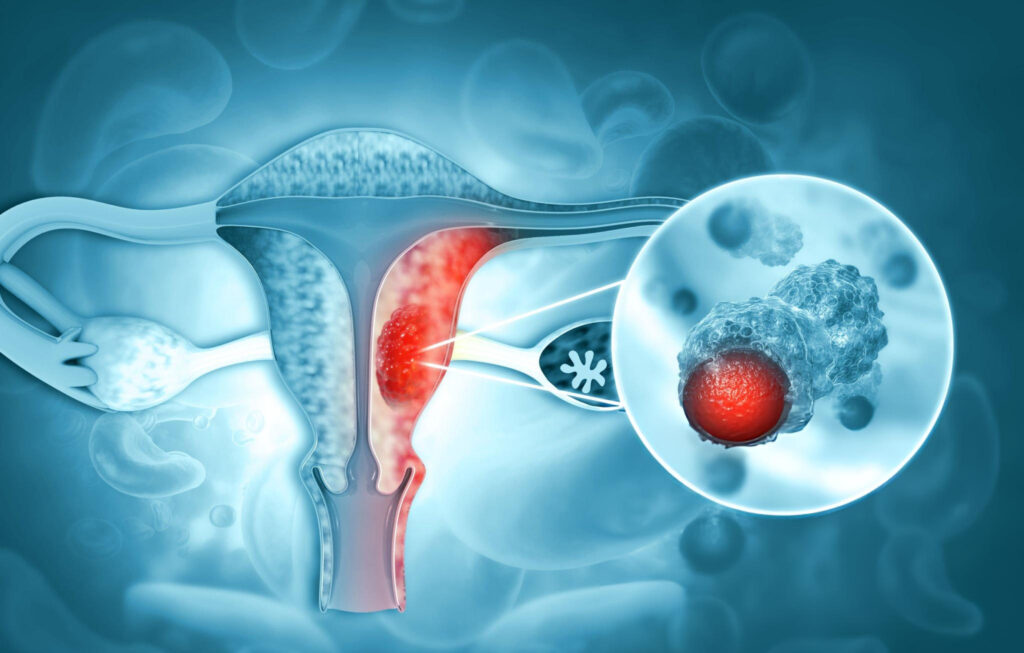
In the “pre-cancerous” and “very early cancer” stages, patients usually experience no symptoms at all, which is why routine screening is absolutely vital. As the tumor grows and invades surrounding tissues, warning signs may include:
- Abnormal Vaginal Bleeding: This is the most common symptom. It includes bleeding between periods, bleeding after sexual intercourse (post-coital bleeding), or any bleeding after menopause.
- Unusual Vaginal Discharge: An increase in discharge that may be watery, blood-tinged, or have a foul odor (due to tissue necrosis and infection).
- Pelvic Pain or Pain During Intercourse: Caused by the tumor creating localized inflammation or pressing on nerves.
- Advanced Metastatic Symptoms: If the cancer spreads to pelvic nerves, the bladder, or the rectum, it can cause severe lower abdominal or pelvic pain, back pain, blood in the urine, difficulty urinating, swelling of the legs, or kidney failure.
3. Professional Screening and Diagnosis
Early detection alters outcomes. Doctors use the following tests to confirm the presence of pre-cancerous lesions or cancer:
- Pap Smear: The doctor gently scrapes cells from the surface of the cervix to be examined under a microscope, effectively detecting early abnormal cellular changes.
- HPV DNA Testing: Often performed concurrently with a Pap smear to detect whether high-risk HPV strains are present in the cervical cells.
- Colposcopy and Biopsy: If smear results are abnormal, the doctor uses a magnifying instrument (colposcope) to closely examine the cervix. Tiny tissue samples are taken from suspicious areas for pathological analysis. This is the gold standard for diagnosis.
- Imaging Scans (MRI / PET-CT): Once cancer is confirmed, MRI or PET scans are used to assess the tumor’s size and check for spread to pelvic lymph nodes or distant organs.

4. Comprehensive Multidisciplinary Treatment
The treatment plan depends on the cancer’s stage (I to IV), tumor size, and whether the patient wishes to preserve her fertility:
1. Treatment for Pre-cancerous Lesions (CIN)
If detected at the pre-cancerous stage, simple outpatient procedures like LEEP (Loop Electrosurgical Excision Procedure) or laser therapy can remove or destroy the abnormal cells, preventing cancer development without affecting future fertility.
2. Surgery (For Early-Stage Cancer)
– Radical Hysterectomy: Suitable for early stages. The surgeon removes the entire uterus, cervix, part of the vagina, and nearby pelvic lymph nodes. If the patient is pre-menopausal, ovaries are typically preserved to maintain hormonal balance.
– Radical Trachelectomy (Fertility-Sparing): For very early-stage cancer in young women who wish to have children, the surgeon removes only the cervix and lymph nodes, leaving the main body of the uterus intact to allow for future pregnancies.
3. Radiotherapy and Chemotherapy
For mid-stage or locally advanced cases, Concurrent Chemoradiotherapy is the standard curative approach. Radiation is usually delivered in two phases:
– External Beam Radiation Therapy (EBRT): Targets the entire pelvic area to destroy the main tumor and cancer cells in lymph nodes.
– Brachytherapy (Internal Radiation): A highly critical component for cervical cancer. Radioactive sources are placed directly inside the vagina and cervix to deliver a massive, localized dose of radiation directly to the tumor while minimizing damage to the adjacent bladder and rectum.
4. Targeted Therapy and Immunotherapy (For Advanced Stage)
For Stage IV cancer that has metastasized or recurred, doctors use systemic chemotherapy combined with Targeted Therapy (anti-angiogenesis drugs) to cut off the tumor’s blood supply. Recently, Immunotherapy (PD-1 inhibitors) has been approved for advanced patients with specific biomarkers, offering new hope for extended survival.
5. The First Line of Defense: Prevention
- HPV Vaccination: Receiving the HPV vaccine before becoming sexually active provides the best protection. Even for those who are sexually active, the vaccine can still protect against strains they haven’t been exposed to.
- Routine Pap Smears: Women who have been sexually active should start having regular cervical screening (Pap smears) from age 25. The vaccine does NOT replace the need for routine screening.
- Safe Sex Practices: Using condoms correctly can reduce the risk of contracting HPV and other sexually transmitted infections (like Chlamydia) that cause cervical inflammation.